

Elevator Modernization vs. Replacement: How to Decide

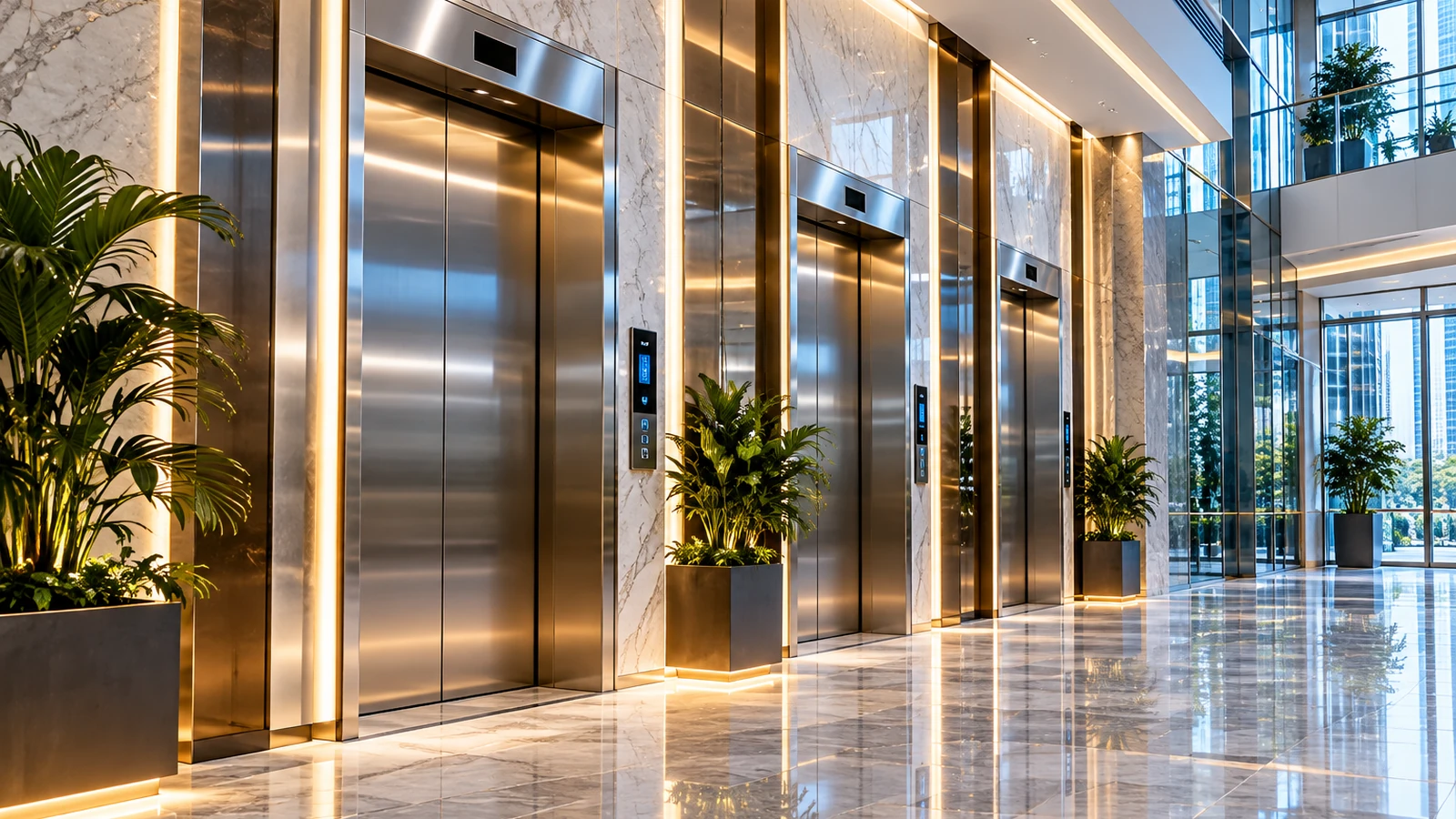
When a lift is slow, unreliable or increasingly expensive to maintain, building owners often assume the only answer is a complete replacement. Sometimes it is. In other cases, a carefully planned modernization can address the problem while keeping usable structural and mechanical elements in place.
The right decision requires a technical survey, a clear understanding of the building’s needs and a comparison of total cost—not just the first quotation. Here is how owners and facility managers in Lebanon can evaluate the options.
What is elevator modernization?
Modernization means upgrading selected parts of an existing elevator system. Depending on its condition and compatibility, that may involve a new controller, variable-frequency drive, door operator, landing fixtures, safety devices or cabin interior. The aim is to improve operation, availability, accessibility or energy performance while retaining components that remain suitable.
Modernization is not cosmetic refurbishment alone. Replacing cabin panels may improve appearance, but it will not correct an outdated control system, damaged guide components or a recurring brake problem. The work should begin with a technical diagnosis.
What counts as a full elevator replacement?
A full replacement involves removing much of the existing lift equipment and installing a new system suited to the shaft and building. It can become necessary when major components are beyond economical repair, replacement parts are unavailable, safety or capacity requirements cannot be met through partial upgrades, or the equipment is fundamentally unsuitable for its current use.
Full replacement can offer flexibility in system design, but it may also involve more extensive building work, longer interruption and coordination with occupants and contractors.
Signs modernization may be the better route
- The shaft and main structure are sound and suitable for continued use.
- The core mechanical system has useful service life remaining after inspection.
- Repeated faults are concentrated in an aging controller, drive or door system.
- Parts for specific electrical components are increasingly difficult to obtain.
- Users want improved leveling, smoother travel or upgraded cabin and landing controls.
- The building needs a staged project that reduces disruption to occupants.
These are prompts for a professional feasibility assessment, not proof that an upgrade is automatically sufficient.
Signs replacement deserves serious consideration
- Multiple major systems are in poor condition at the same time.
- The existing equipment is incompatible with required safety or accessibility improvements.
- The lift no longer meets the building’s traffic, load or operational requirements.
- Major components are obsolete and cannot be supported reliably.
- A partial upgrade would leave expensive problems unresolved and produce a poor long-term value.
A qualified engineering review should assess the remaining service life of critical components and confirm whether the proposed solution can satisfy applicable requirements.
Compare the full lifecycle cost
Owners should compare more than the initial installation price. Include expected maintenance, parts availability, estimated energy use, likely downtime, warranty terms and the cost of any shaft, pit or electrical changes.
A lower-cost modernization can be an excellent investment when the retained equipment is sound. It can become a false economy when the parts left in place are near the end of their practical life. Conversely, replacing an entire lift to solve a localized controls issue may not be justified.
Ask for a written comparison of the scope, exclusions, risks and long-term operating implications of both options.
Consider disruption to building occupants
Elevator downtime matters especially in buildings with older residents, reduced-mobility users, heavy visitor traffic or goods movement. Before approving work, request a realistic program covering removal, installation, testing and handover.
For buildings with multiple elevators, contractors may be able to sequence work so one car remains in service. For a building with a single elevator, plan temporary access arrangements and clearly communicate the period when the lift will be unavailable.
Safety, accessibility and user experience
A successful project should evaluate stopping accuracy, door protection, emergency communication, cabin lighting, user controls and accessibility—not merely speed or visual appearance. The upgraded or replacement system must be properly tested and commissioned before returning to service.
At the planning stage, discuss the needs of wheelchair users, residents with limited mobility and people moving goods. These requirements can influence cabin dimensions, door widths, controls and landing arrangements.
A sensible step-by-step decision process
Step 1: Commission a condition survey
Have a qualified elevator specialist review the system’s mechanical, electrical and safety condition, fault history, maintenance records and practical site constraints.
Step 2: Define what needs to improve
Is the main problem unreliable doors, long wait times, noise, poor leveling, accessibility, high maintenance cost or lack of support for obsolete equipment? Rank the problems by importance.
Step 3: Request clearly separated proposals
A modernization proposal should identify what is replaced, what remains and how compatibility is verified. A replacement proposal should identify the full equipment scope and any necessary building modifications.
Step 4: Compare lifetime value and downtime
Review cost, expected reliability, service support, warranty and project schedule together. Confirm which party will be responsible for commissioning, documentation and aftercare.
Step 5: Plan for ongoing maintenance
The project is not complete when the new doors open. Confirm the service schedule, maintenance records, emergency arrangements and spare-parts support.
Frequently asked questions
Is modernization always cheaper than replacement?
Not necessarily. It often requires less extensive work, but the economics depend on the condition and compatibility of retained parts. Request a site-specific comparison.
Can an older elevator become more energy efficient?
Certain drive, lighting and control upgrades may reduce energy use. The actual benefit depends on the existing equipment, traffic and selected modernization package.
Can the lift remain in service during an upgrade?
Some tasks can be phased, but many modernization activities require planned downtime. Your contractor should explain the shutdowns and safety controls in advance.
Make the decision with evidence
The strongest proposal is the one that solves the building’s real problem and has a credible maintenance plan for the years ahead. Discuss your equipment with a qualified specialist and explore Ecolift’s elevator repair and technical services as part of a professional site review.