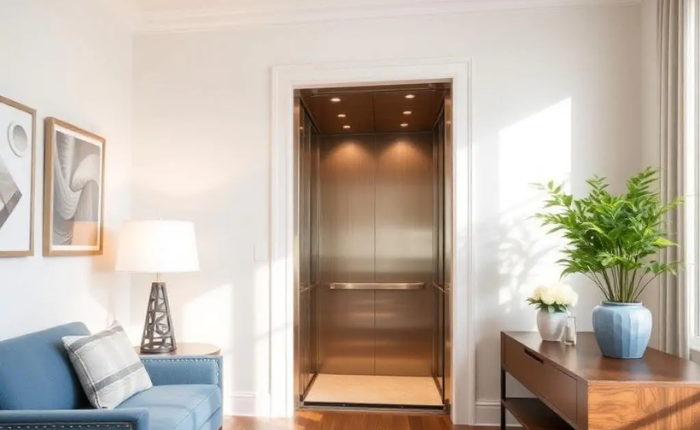
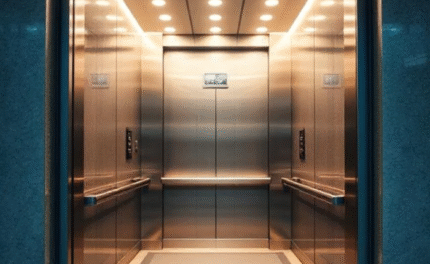
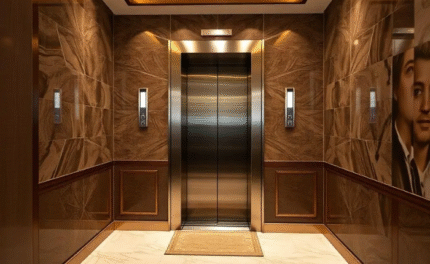
Residential Elevator
Due to medical conditions and injuries, it’s risky for people to use the staircase. In that case, there are high chances of falling or tripping. To avoid such conditions and to make it comfortable for your family members to travel easily from one floor to the next, these elevators are a great choice
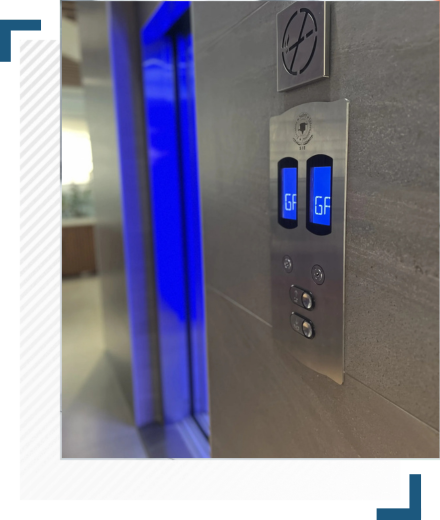
Everyday mobility, engineered into the home you already have
Residential elevators are built around a single priority: safe, independent, everyday movement between floors. Where a full home elevator moves people and goods across a large house, a residential accessibility elevator fits into an existing layout with minimal disruption making it a practical choice for retrofits as much as new builds.
Types of Residential Elevators
Many types of residential Elevators are useful. Anyone can choose to install them according to their requirements. Following are some of the popular types of residential Elevators.
- Pneumatic Elevators
- Wheelchair lifts
- Residential vertical platform lifts


WHY CHOOSE ECOLIFT
With over 50 years in business, Ecolift Elevators has been helping customers all over Lebanon with reliable and quality Elevator/Escalator services. Our team is skilled and always ready to give you the service that fits your needs, whether it’s installing, repairing, or handling emergencies. We know elevators are a big investment, so we make sure our prices stay fair without cutting corners on safety or quality.
50+ Years of Expertise
Decades of experience delivering reliable, high-quality elevator solutions you can trust.
Highly Skilled Team
Experienced technicians who know their craft and handle every installation with precision.
Emergency Services
Available around the clock, so help is never far away when you need it.
Comprehensive Maintenance Plans
Ongoing care that keeps your elevator running smoothly and prevents costly breakdowns.
Personalized Service
Every project is tailored to your home, from first assessment to ongoing care.
Affordable Pricing
Cost-effective options that never cut corners on safety or quality.
Stairs shouldn't decide who gets full use of their home
Staircases are one of the most common accident points inside a home, and the risk is highest for older adults, post-surgery patients, and anyone using a wheelchair or walker. A residential elevator removes that risk entirely letting family members move between floors on their own terms, not around what the stairs allow them to do.
Home Elevator
Residential Elevator
Built for scale
Hydraulic, traction & glass systems moving people and goods across several full floors.
Built for accessibility
Compact, low-speed systems sized around mobility needs, not floor count.
New construction
Usually planned into a home's original architecture.
Retrofit-friendly
Designed to fit into an existing home with minimal structural work.
Three ways to make every floor reachable
Each system suits a different home layout and level of need your free assessment will confirm which fits yours.
01
Pneumatic (Vacuum) Elevators
A self-supporting cylindrical cab that moves using air-pressure differences rather than cables or a piston. No machine room, no deep pit one of the least invasive options for an existing home.
02
Wheelchair-Accessible Lifts
A fully enclosed, LULA-style cab built for Limited Use/Limited Application settings sized for wheelchairs and mobility devices, at a lower speed than a standard passenger elevator.
03
Vertical Platform Lifts
An open or partly enclosed platform on a fixed track suited to shorter rises like porches, entryways, split-levels, or decks where a full shaft isn't practical.
Households we design residential elevators for
01
Aging in place
Homeowners choosing to stay in their own home instead of moving to single-level housing.
02
Injury & surgery recovery
Temporary or long-term support for anyone whose condition limits stair use.
03
Wheelchair & mobility device users
Reliable, code-aware floor-to-floor access built around real dimensions and turning space.
04
Multi-generational households
Independent access for a parent or family member living on a different floor.
What happens before, during, and after installation
On-site assessment
We review your home's layout, available space, and power supply. Accessibility lifts vary far more in footprint than standard elevators.
Certified installation
Our technicians install to recognized elevator and platform-lift safety standards, alongside applicable local building regulations.
Safety walkthrough
Every project closes with a full walkthrough before handover, plus ongoing maintenance support.
Frequently Asked Questions
Find quick answers to the most common questions about our products, services, and process. We’re here to make everything simple and easy for you.
What size elevator does a commercial building in Lebanon actually need?
It depends more on floors served and peak-hour foot traffic than on building type alone. A boutique office might only need a small passenger cabin; a hospital or hotel usually needs a higher-capacity car plus a separate service elevator. We size this during a free site survey rather than quoting a number sight unseen.
Do Ecolift's commercial elevators meet recognized safety standards?
Installations are designed and carried out in line with European EN 81 lift safety standards the same reference point applied across Ecolift’s escalator installations covering door protection, overspeed governors, and emergency communication.
What happens to the elevator during a power outage?
Commercial installations include backup power that automatically brings the cabin to the nearest floor and opens the doors, so a blackout doesn’t leave anyone stuck between floors.
Can you install a machine-room-less elevator in an older building that wasn't built with a shaft?
In many cases, yes. MRL systems need less overhead clearance and no dedicated machine room, which is why they’re the usual recommendation for retrofitting elevators into older Beirut commercial buildings.
What's included in a commercial maintenance contract?
Scheduled inspections, priority emergency call-out, and access to locally stocked spare parts, carried out by Ecolift’s own technicians rather than a subcontractor. Full details are on the Elevator Maintenance page.
How long does installing a commercial elevator take?
It depends on whether it’s new construction or a retrofit, and how many floors are served. A project-specific schedule is confirmed after the site survey, not before it.
Can one elevator handle both passengers and goods, or do we need two separate systems?
Hotels and hospitals often run a passenger bank alongside a separate service elevator sized for carts, deliveries, or beds, so passenger and service traffic don’t compete for the same car. We help decide which setup a building needs during the site survey.