Goods Elevator

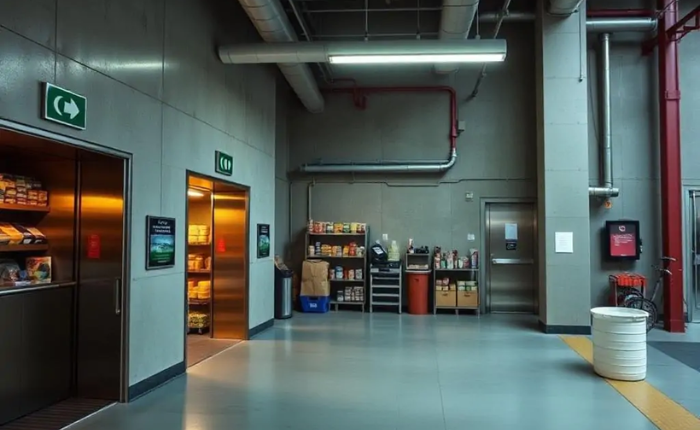
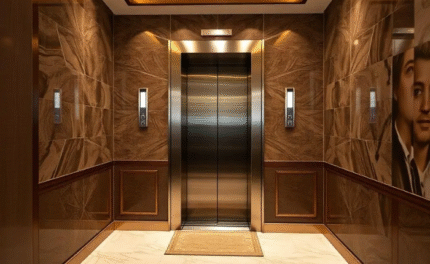
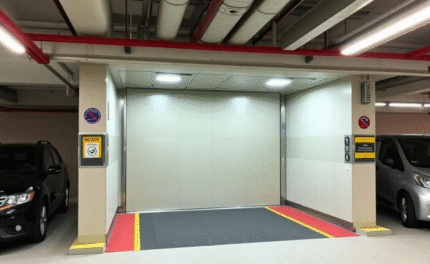
It’s not easy for the workers to transport heavy goods from one floor to another in a building. Usually, construction sites, heavy machinery-making buildings, and other places require the goods lifts in their area. Installing a lift saves lives, minimizes risks, avoids accidents, and secures transportation of goods.
Category:
Description
Untitled design 2025 10 29T125601.885 – Ecolift Elevator
Why should Goods Elevator be used?

Purpose and usage

It’s not easier to carry heavy weights on a routine at a place. It would help if you had laborers for that purpose, and it also increases the risks of the good’s damage. Installing a goods lift will minimize the chances of damaging the goods and making it easier to transport.

    0%
    Untitled design 2025 10 29T125650.425 – Ecolift Elevator

    Types of goods lift

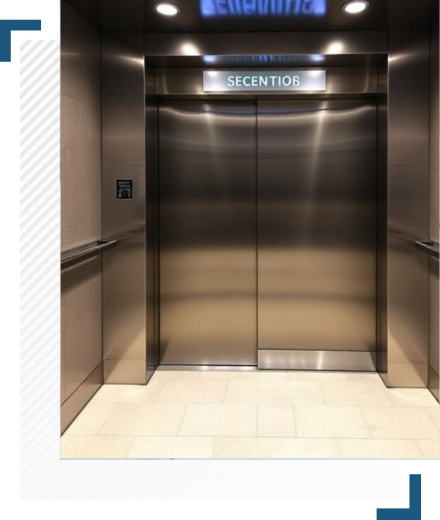
    Goods lifts are designed to transfer heavy goods from one place to another. There are many types of goods lift. The following are the major types of goods lifted;

    Why Choose US?

    With over 50 years in business, Ecolift Elevators has been helping customers all over Lebanon with reliable and quality Elevator/Escalator services. Our team is skilled and always ready to give you the service that fits your needs, whether it’s installing, repairing, or handling emergencies. We know elevators are a big investment, so we make sure our prices stay fair without cutting corners on safety or quality.

    Untitled design 2025 10 29T125817.676 – Ecolift Elevator

    50+ Years of Expertise

    With decades of experience, Ecolift has built a reputation for delivering reliable, high-quality elevator solutions you can
    trust

    Highly Skilled Team

    Our experienced technicians know their craft inside and out, and they’ll handle your elevator with precision and care.

    Emergency Services

    You can count on us around the clock. Our emergency services are available whenever you need assistance, giving you peace of mind.

    Comprehensive Maintenance Plans

    We’ve got you covered with maintenance that keeps your elevator running smoothly and prevents costly
    breakdowns.

    Personalized Service

    Your needs are unique, and so is our approach. We tailor each project to ensure you get the perfect solution, from installation to ongoing care.

    Affordable Pricing

    We offer cost-effective options without cutting corners on quality, giving you great value for your
    investment.

    PRODUCT RANGE

    THREE TYPES OF GOODS ELEVATOR

    The right choice depends on what's being moved, how often, and whether it travels alone or with an operator.

    TYPE 01

    DUMBWAITER ELEVATORS

    LIGHT DUTY

    Small, unaccompanied lifts that move food trays, documents, laundry or small stock between floors in a closed shaft. The small footprint keeps installation cost and space requirements down.

    Best for: hotels, restaurants, hospitals, multi-storey homes

    TYPE 02

    TROLLEY SERVICE ELEVATORS

    MEDIUM DUTY

    A larger, finished cabin built for wheeled carts housekeeping trolleys, hospital supply carts, retail stock carts with an operator riding along to push the load in and out at each floor.

    Best for: hotels, hospitals, retail back-of-house

    Best for: hotels, restaurants, hospitals, multi-storey homes

    TYPE 03

    COLUMN FREIGHT ELEVATORS

    HEAVY DUTY

    Built around a reinforced structural frame with two or more guide columns, for repeated rough daily use pallets, machinery, construction materials with heavier-gauge components throughout.

    Best for: construction sites, warehouses, manufacturing

    Best for: hotels, restaurants, hospitals, multi-storey homes

    BEFORE YOU BUY

    WHAT TO CHECK BEFORE CHOOSING A GOODS ELEVATOR

    Sizing a lift correctly starts with the job it needs to do, not the largest or most expensive option on the list.

    LOAD

    Load capacity

    The single most important spec. Oversizing adds unnecessary cost; undersizing creates a safety risk and shortens the equipment's working life.

    SIZE

    Cabin or platform size

    The car needs to physically fit what's being loaded trolley, pallet, or machine with enough clearance to load and unload safely.

    TRAVEL

    Floors & travel height

    More stops mean more shaft length, more wiring, and often a different drive system than a short two- or three-floor lift.

    DRIVE

    Drive system

    Hydraulic suits lower-rise, high-capacity jobs; traction suits taller buildings; rack-and-pinion suits construction sites needing quick install and relocation.

    DOOR

    Door type

    Vertical bi-parting doors are standard on freight elevators they don't intrude into the loading area the way a swing door does.

    SHAFT

    Shaft & pit

    Dimensions depend on load, speed and travel height which is why a site survey always comes before a final specification.

    APPLICATIONS

    INDUSTRIES THAT DEPEND ON GOODS ELEVATORS

    01

    Construction

    Rack-and-pinion column lifts move materials and tools between floors during the build itself.

    02

    Warehousing & logistics

    Move palletised stock between storage levels efficiently.

    03

    Hospitality

    Dumbwaiters and trolley lifts connect kitchens and laundry to guest floors without crossing public corridors.

    04

    Healthcare

    Move supplies, equipment and materials between hospital and lab departments.

    05

    Retail

    Move stock between sales floors and back-of-house storage.

    06

    Manufacturing

    Heavier column elevators move raw materials, parts and finished goods between production levels.

    NON-NEGOTIABLE

    SAFETY CONSIDERATIONS

    A goods elevator carries real weight, often in a harsher environment than a typical commercial building. Regular inspection matters as much as the installation itself.

    01. Overload sensors

    Prevent the lift from operating past its rated capacity.

    02. Door & gate interlocks

    Stop the car from moving unless the shaft is properly closed.

    03. Emergency stop controls

    Immediate manual stop, accessible at every landing and in the car.

    04. Backup power

    Keeps the lift and its safety systems functional through a power interruption.

    05. Scheduled inspection

    Doors, cables, and brakes see the most use and wear down fastest under repeated heavy loading.

    HOW WE WORK

    HOW ECOLIFT INSTALLS A GOODS ELEVATOR

    01

    Site survey

    Load requirements, shaft dimensions, and floor count are assessed on-site.

    02

    Shaft & pit prep

    The shaft and pit are prepared to match the chosen lift type and drive system.

    03

    Installation

    Structural and mechanical components are installed, and the control system is wired.

    04

    Load testing

    The lift is tested and inspected to confirm safe operation at rated capacity.

    05

    Handover & training

    Our technicians walk the client through operation and basic upkeep.

    AFTER INSTALLATION

    MAINTENANCE & MODERNIZATION

    Ongoing

    Maintenance

    A goods elevator carrying heavy or repeated loads needs a servicing schedule built around that usage—covering the doors, cables, brakes, and drive components most exposed to wear, before they turn into breakdowns that stop a site mid-operation.

    Upgrade

    Modernization

    For older goods lifts that are still structurally sound but running on outdated controls, modernization upgrades safety and reliability without rebuilding the shaft often more cost-effective than full replacement.

    WHY ECOLIFT

    BUILT ON 50 YEARS OF VERTICAL TRANSPORTATION IN LEBANON

    Being based in Beirut means our team can reach sites across the country for scheduled maintenance and emergency callouts, with every installation sized to the specific load, layout, and usage pattern of the building.

    50+

    Years of Experience

    LB

    Nationwide Coverage

    1:1

    Tailored to Each Site

    Frequently Asked Questions

    Find quick answers to the most common questions about our products, services, and process. We’re here to make everything simple and easy for you.

    What size elevator does a commercial building in Lebanon actually need?

    It depends more on floors served and peak-hour foot traffic than on building type alone. A boutique office might only need a small passenger cabin; a hospital or hotel usually needs a higher-capacity car plus a separate service elevator. We size this during a free site survey rather than quoting a number sight unseen.

    Installations are designed and carried out in line with European EN 81 lift safety standards the same reference point applied across Ecolift’s escalator installations covering door protection, overspeed governors, and emergency communication.

    Commercial installations include backup power that automatically brings the cabin to the nearest floor and opens the doors, so a blackout doesn’t leave anyone stuck between floors.

    In many cases, yes. MRL systems need less overhead clearance and no dedicated machine room, which is why they’re the usual recommendation for retrofitting elevators into older Beirut commercial buildings.

    Scheduled inspections, priority emergency call-out, and access to locally stocked spare parts, carried out by Ecolift’s own technicians rather than a subcontractor. Full details are on the Elevator Maintenance page.

    It depends on whether it’s new construction or a retrofit, and how many floors are served. A project-specific schedule is confirmed after the site survey, not before it.

    Hotels and hospitals often run a passenger bank alongside a separate service elevator sized for carts, deliveries, or beds, so passenger and service traffic don’t compete for the same car. We help decide which setup a building needs during the site survey.