

How Often Should an Elevator Be Serviced in Lebanon?

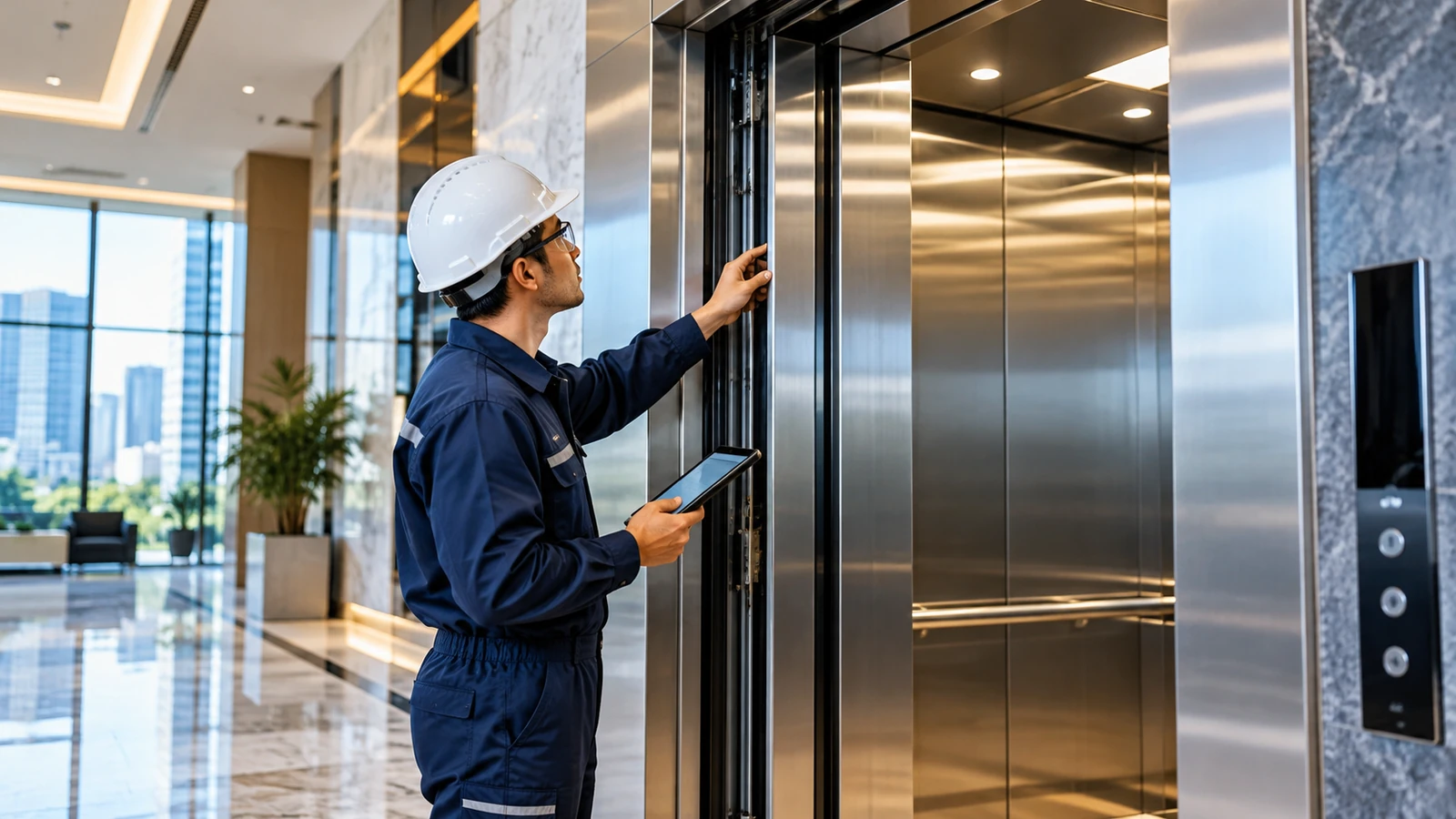
An elevator can complete hundreds of trips every day without drawing much attention. That reliability is precisely why preventive maintenance matters. The goal is not merely to repair an elevator after it stops; it is to identify wear, adjustment issues and developing faults before they affect the people who depend on the building.
For property managers in Lebanon, the most useful question is not simply “How many times per year?” It is “What maintenance plan is appropriate for this particular elevator, its workload and its condition?” A well-planned program is based on the equipment manufacturer’s instructions, applicable requirements, service history and a qualified technician’s assessment.
Is there one maintenance interval that fits every elevator?
No. A lightly used home elevator and a busy lift in an office tower do not experience the same wear. The correct schedule also depends on whether the equipment is a traction, hydraulic, platform or specialized lift. Avoid relying on a universal number of visits without considering the equipment and local requirements.
A maintenance provider should document the planned visit frequency, the inspections to be carried out and when more detailed testing is required. If the elevator is older, frequently overloaded, exposed to dust or moisture, or already generating faults, the plan may need closer attention.
Five factors that determine service frequency
1. Daily usage and passenger traffic
Repeated starts, stops and door cycles place demands on motors, brakes, door operators and other moving components. A commercial elevator serving many floors needs a plan that reflects heavier use than a residential lift with a few trips each day.
2. Age, condition and previous repairs
An older unit is not necessarily unsafe, but worn rollers, aging electrical equipment and obsolete components may require more monitoring. Keep a record of the faults and replacements made over time so a technician can distinguish recurring issues from one-off events.
3. Elevator type and manufacturer guidance
Traction, hydraulic and machine-room-less systems have different maintenance requirements. Follow the model-specific service documentation and the safety checks applicable to that equipment instead of applying a generic checklist unchanged.
4. Building environment
Heat, dust, humidity, water intrusion and variations in electrical supply can influence maintenance needs. Machine rooms, pits and shafts should be assessed for conditions that may damage components or interfere with reliable operation.
5. Performance trends
Slow doors, vibration, unusual sounds, uneven stops or repeat controller faults are signs that the planned schedule alone is not enough. Arrange an additional professional inspection rather than waiting for the next routine visit.
What should a routine elevator maintenance visit include?
The scope depends on the lift, but a comprehensive visit commonly reviews several groups of components:
- Doors and landing safety: door tracks, rollers, operators, interlocks, reopening sensors and smooth movement.
- Ride and leveling: stopping accuracy at each floor, unusual vibration and ride quality.
- Drive and mechanical components: brake condition, bearings, guide components and—where applicable—ropes, traction equipment or hydraulic systems.
- Control system: fault history, indicators, wiring condition and communication between controls and safety devices.
- Safety and emergency equipment: alarms, communication, backup functions and relevant safety devices according to the manufacturer’s procedures and applicable rules.
- Environment and housekeeping: checks for obstructions, water ingress, debris and conditions around the machinery, shaft and pit.
An inspection should produce a written service record rather than an undocumented verbal assurance. The building owner should know what was checked, what was adjusted, which faults were found and what follow-up work is recommended.
Warning signs that require attention before the next visit
Call a qualified elevator service provider if a lift begins making unfamiliar grinding or banging sounds, stops above or below a landing, has doors that repeatedly fail to close, moves unpredictably or shuts down without explanation. A fault affecting emergency communication or safety devices deserves prompt assessment.
If the elevator appears unsafe, stop using it, keep people clear and follow the building’s established emergency and service procedures. Do not ask residents or unqualified staff to reset, bypass or work on safety equipment.
Why a maintenance log is valuable
A maintenance log helps technicians detect patterns. If door adjustments are repeatedly needed or the same fault code appears after every service call, the underlying component may require a more substantial repair or upgrade.
Keep the date of each visit, technician’s findings, work completed, parts replaced, pending recommendations and any operational incidents. This is also useful when planning budgets and reviewing service contracts.
Questions to ask an elevator maintenance company
Before selecting a maintenance arrangement, ask who will actually attend the site, which lift types the provider supports, whether relevant spare parts are readily available, how emergency calls are handled and how the team documents preventive work. Request a schedule that is specific to your building rather than a generic promise of “regular maintenance.”
Ecolift Elevator provides elevator maintenance and technical support in Lebanon. A site assessment can help determine what your equipment needs based on its condition and duty cycle.
Frequently asked questions
Should an elevator be serviced if it seems to work perfectly?
Yes. Normal operation does not prove that all wear or developing faults are visible to passengers. Preventive maintenance is designed to identify problems before symptoms become obvious.
Can a building manager carry out elevator maintenance?
Building staff can document symptoms, keep access areas clear and report problems, but technical inspection, adjustment and repair must be handled by appropriately qualified professionals.
Does a newer lift need less attention?
A newer lift still needs the manufacturer’s prescribed inspections and safety checks. New equipment may have different maintenance requirements, but it does not eliminate the need for a service plan.
Plan maintenance before a disruption
A dependable elevator is the result of consistent inspection, good documentation and timely decisions. If you manage a residential building, office, hotel or mixed-use property in Lebanon, explore Ecolift’s elevator maintenance services and arrange an assessment of your existing equipment.